
Loading...
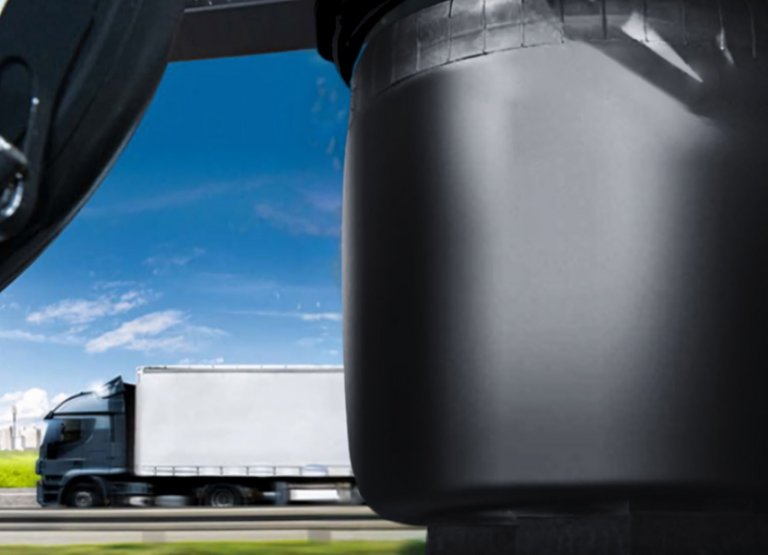
Continental has upgraded its material compound for commercial vehicle air springs. In this product, the company’s material experts within the ContiTech group sector have substituted synthetic rubber with natural rubber that has been improved thanks to the addition of ethylene-propylene-diene rubber (EPDM). As a result, the rubber compound’s carbon footprint has been reduced by more than 50 percent compared with conventional air springs*. At the same time, Tough RuNR is able to cover a wider range of climate conditions and is resistant to both extreme heat and extreme cold.
Tough RuNR offers the perfect combination of material properties with dynamic excellence and protective properties. With conventional air springs manufacturers previously had to come to a decision: They could either mount air springs made from natural rubber, which is resistant to a very cold climate. Or they could use chloroprene rubber air springs to make them resistant to tough environmental conditions such as high temperatures, ozone conditions or ultraviolet light (UV).
Continental’s new natural rubber compound with high-performance EPDM resists both cold and hot climate, thus slowing down material ageing and reducing other harmful influences from tough environments. It can therefore be used for broader, more dynamic performance applications.
"Tough RuNR not only demonstrates our ability to make products greener, but it also shows how we make use of the evolution toward more sustainable materials to accelerate our constant search for improvements to both our products and our customers’ applications," says Marc Leinemann, head of Product Platform Air Springs at Continental.
 📷
📷Continental emphasizes that the improved carbon footprint of Tough RuNR air springs is just the start of a perpetual journey toward more sustainable and circular rubber-based products for transport and logistics. A journey for which the material experts feel well equipped. At the IAA Transportation, Continental will also highlight how the use of recycled materials, better recyclability of materials and the use of bio-based materials will improve the environmental impact of air springs in the future.


