
Loading...
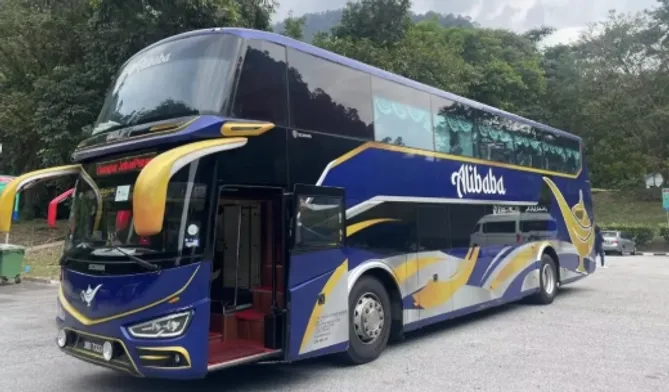
Malaysia's tropical climate places high demands on buses HVAC systems. Compare engine-driven and electric air conditioning, including cooling performance, energy use, humidity control and maintenance.

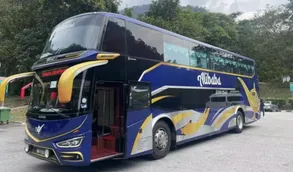
Malaysia's tropical climate places high demands on buses HVAC systems. Compare engine-driven and electric air conditioning, including cooling performance, energy use, humidity control and maintenance.
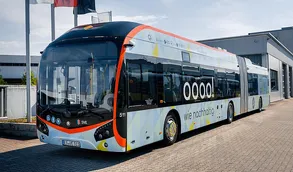
Eberspächer's AC135-230 rooftop HVAC systems will equip 52 new Škoda battery trolleybuses in Esslingen, Germany, combining compact installation with 30 kW cooling and 35 kW heating capacity.

Replacing a bus or coach camera requires more than matching connectors. Understanding PAL, NTSC, CVBS and AHD formats helps operators avoid compatibility issues with monitors and recording systems.
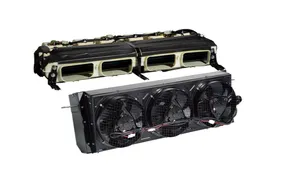
TCHAIN’s TCN07H built-in bus air conditioner is designed for 7–7.5 m minibuses, combining 18.6 kW cooling capacity with a concealed split-system layout for flexible integration in bus vehicle layo
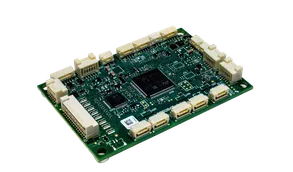
Eberspaecher Vecture has introduced GuardIon-IQ, a modular battery management platform supporting 12 to 1,500 V systems, with scalable architectures for electric mobility and energy storage worldwide.
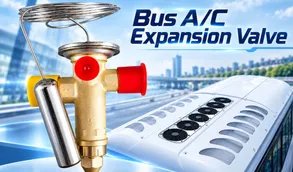
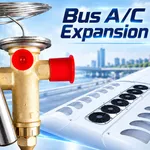
Expansion valves play a key role in bus HVAC performance by controlling refrigerant flow, protecting the compressor and helping maintain stable cooling under changing operating conditions on buses.
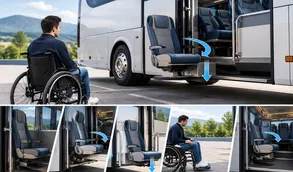
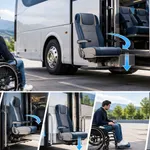
Swivel lifting seats improve accessibility in high-floor coaches by lowering the passenger seat outside the vehicle, helping wheelchair users transfer into a conventional passenger seat more easily.
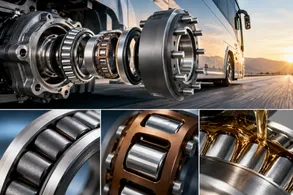
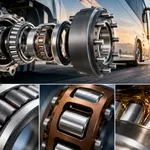
Fersa’s Fuel Efficient Generation 3 combines new coatings, lubrication and wheel-hub design to reduce wheel-end friction and target further efficiency gains in heavy-duty vehicle applications.

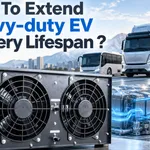
Battery thermal management helps electric buses and heavy-duty EVs control cell temperatures, support battery life, improve safety and maintain stable performance under demanding operating conditions.
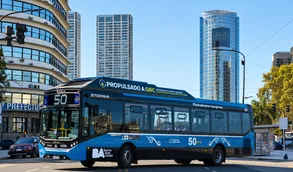
Agrale Argentina and Hexagon Agility are expanding their partnership to equip more than 400 buses with CNG technology, following an initial deployment of 108 vehicles.
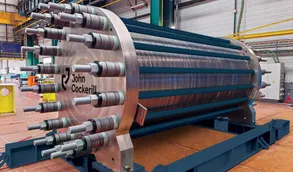
New 2026 research compares alkaline and PEM electrolyzers on efficiency, scale, lifetime and dynamic operation, highlighting key considerations for hydrogen production projects.
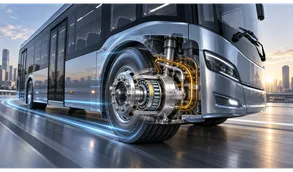
Fersa has introduced Fuel Efficient Generation 3, a new low-friction wheel-end technology for heavy-duty vehicles designed to reduce energy losses through advances in bearings, lubrication and hub des