Loading...
The shift to electrified urban transport is gaining momentum, and the launch of TRION new EA2100N electric portal axle marks another step toward safer, more efficient, and passenger-friendly city buses. Designed with a focus on low-floor integration and high durability, the axle is set to redefine how modern electric buses are built and operated.
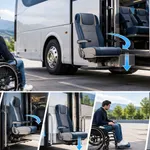
Public transportation operators face increasing pressure to improve passenger accessibility and comfort while reducing operational costs. TRION EA2100N axle addresses this challenge by supporting a low-floor vehicle layout, which enhances safety and convenience for passengers, including the elderly and those with mobility needs.
By integrating two permanent magnet synchronous motors (PMSMs) directly into the axle, TRION EA2100N eliminates the need for bulky central drivetrains. This creates more interior space, lowers the center of gravity, and improves the handling of buses in dense city traffic.
The new electric portal axle provides:
Certification with E-mark standards ensures compliance with international safety requirements, providing operators with peace of mind.
For fleet managers, lifecycle costs are as important as initial performance. TRION EA2100N axle has been tested for durability over 100,000 kilometers of tire change mileage, showing its ability to withstand heavy daily usage. With minimal maintenance requirements and reduced mechanical losses compared to diesel drivetrains, it helps lower total cost of ownership while delivering consistent performance.
TRION EA2100N is suitable for 10.5 to 18-meter city buses, articulated vehicles, and double-decker platforms. Its versatility makes it a trusted solution for metropolitan transit systems aiming to expand their electric bus fleets.
As cities continue to transition toward electric mobility, reliable driveline technology will play a central role in ensuring smooth operations. The introduction of TRION EA2100N electric portal axle demonstrates a commitment to not only meeting technical standards but also addressing the needs of passengers, drivers, and operators alike.