Loading...

La selección del refrigerante es un factor importante en el diseño de los sistemas de aire acondicionado para autobuses. Para los OEM de autobuses y los operadores de flotas, el refrigerante utilizado en un sistema HVAC puede afectar el cumplimiento ambiental, el rendimiento operativo, los requisitos de mantenimiento y la compatibilidad del sistema a largo plazo.
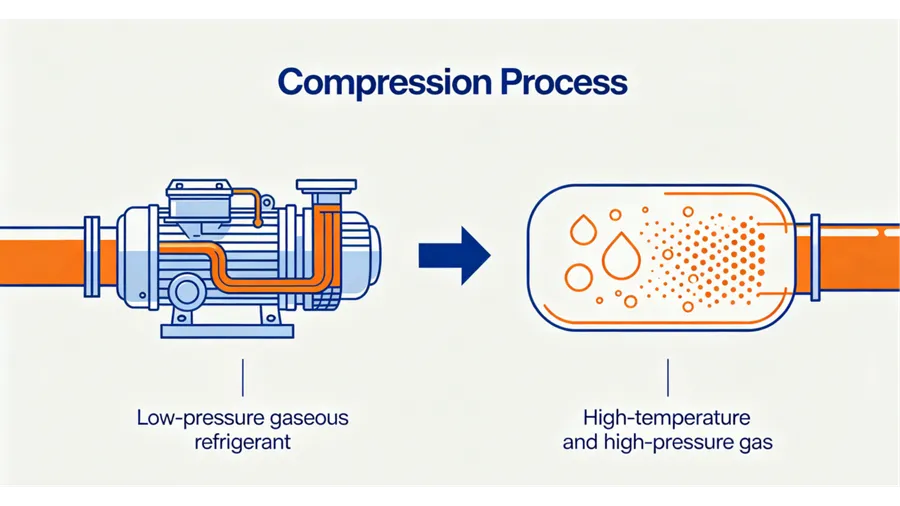
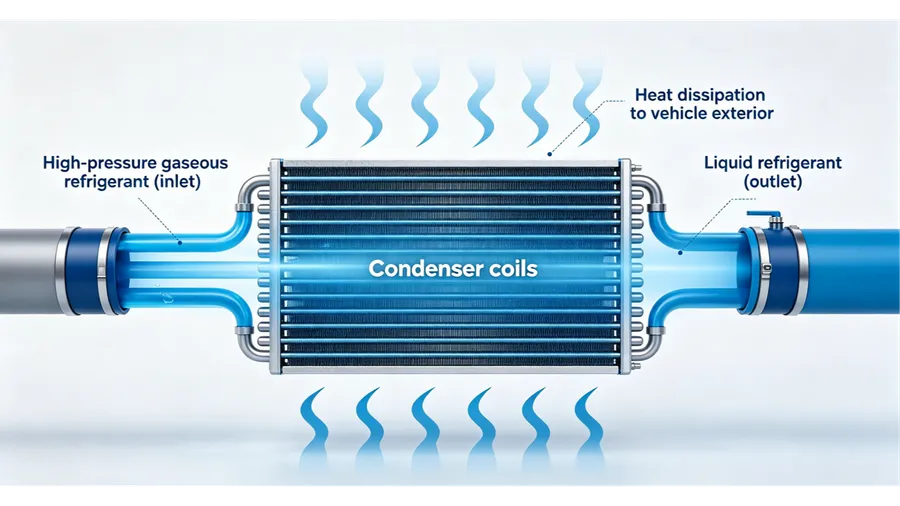
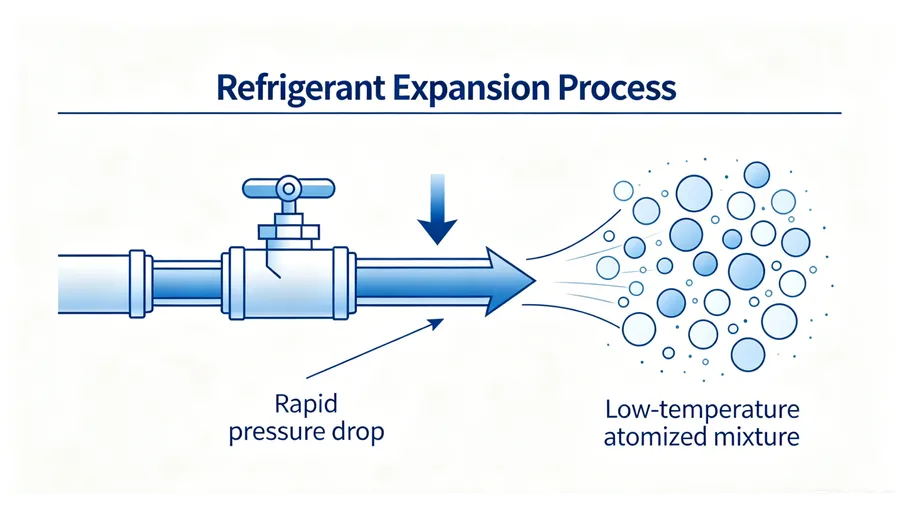
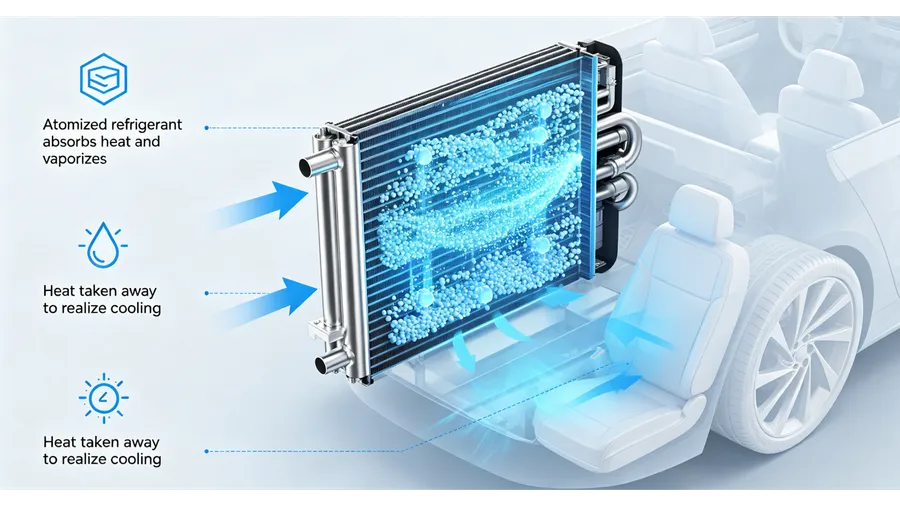
Los sistemas de aire acondicionado para autobuses generalmente utilizan un ciclo de refrigeración por compresión de vapor. En este proceso, el compresor comprime el gas refrigerante de baja presión y lo convierte en gas de alta temperatura y alta presión. Luego, el refrigerante pasa por el condensador, donde el calor se libera hacia el exterior del vehículo y el refrigerante cambia a estado líquido. El refrigerante líquido pasa por la válvula de expansión, donde la presión baja y el refrigerante se transforma en una mezcla de baja temperatura. Finalmente, en el evaporador, el refrigerante absorbe calor del compartimento de pasajeros y se vaporiza, ayudando a enfriar la cabina.
Al comparar refrigerantes se utilizan comúnmente dos indicadores ambientales. ODP, u Ozone Depletion Potential, mide el impacto potencial sobre la capa de ozono. Los refrigerantes modernos más utilizados en sistemas de aire acondicionado para autobuses generalmente tienen ODP = 0. GWP, o Global Warming Potential, mide el impacto climático de un refrigerante durante un periodo definido. Los valores de GWP más bajos son cada vez más importantes a medida que regulaciones como el marco F-Gas de la UE y la Enmienda de Kigali continúan limitando los refrigerantes de alto GWP.
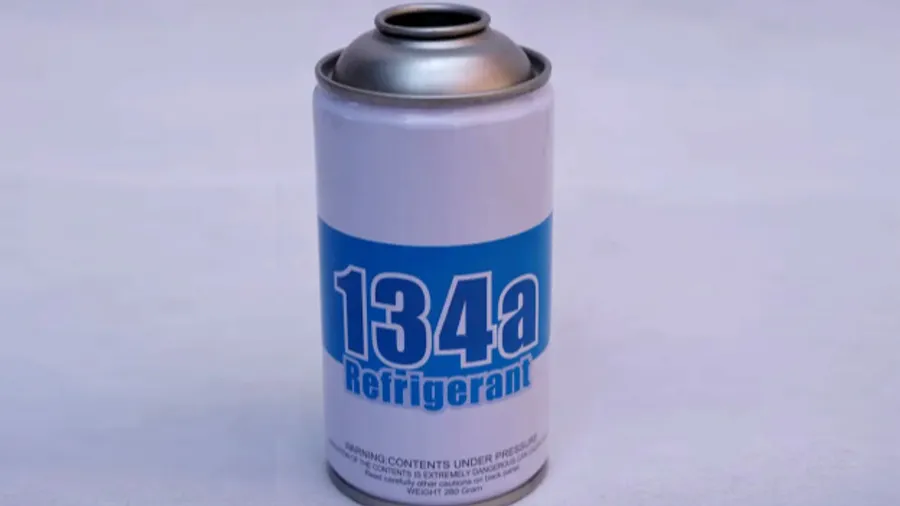
R134a se utiliza ampliamente en sistemas tradicionales de aire acondicionado para autobuses diésel. Tiene ODP = 0 y no es tóxico ni inflamable, pero su GWP supera 1000. Este refrigerante se beneficia de un diseño de sistema maduro, conocimiento técnico establecido y amplia disponibilidad para mantenimiento. Sin embargo, su alto GWP implica que su uso está cada vez más restringido en varias regiones, especialmente para vehículos nuevos.
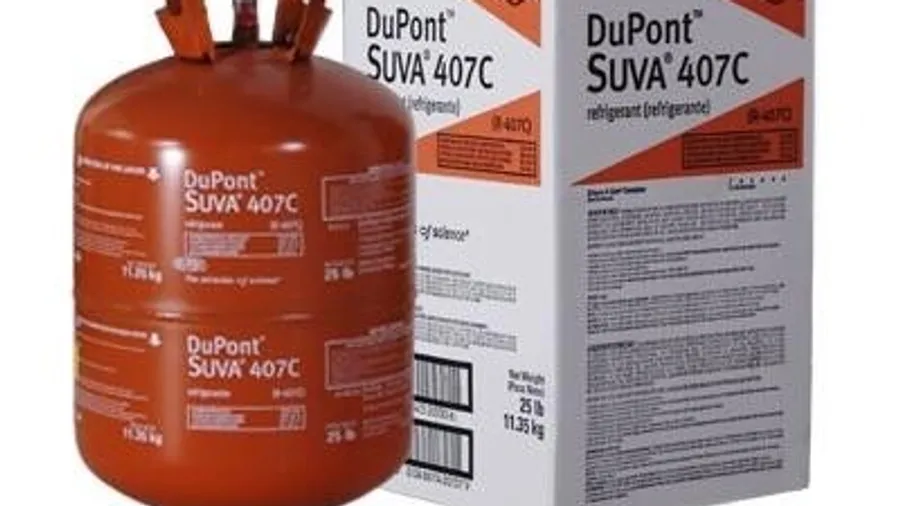
R407C se ha utilizado en algunos sistemas anteriores de aire acondicionado para autobuses pequeños de nueva energía. Es un refrigerante mezclado con ODP = 0 y alta capacidad de refrigeración, pero también tiene un GWP relativamente alto. Puede ser relevante para sistemas antiguos o aplicaciones específicas, aunque su uso a largo plazo puede estar limitado por regulaciones ambientales regionales.
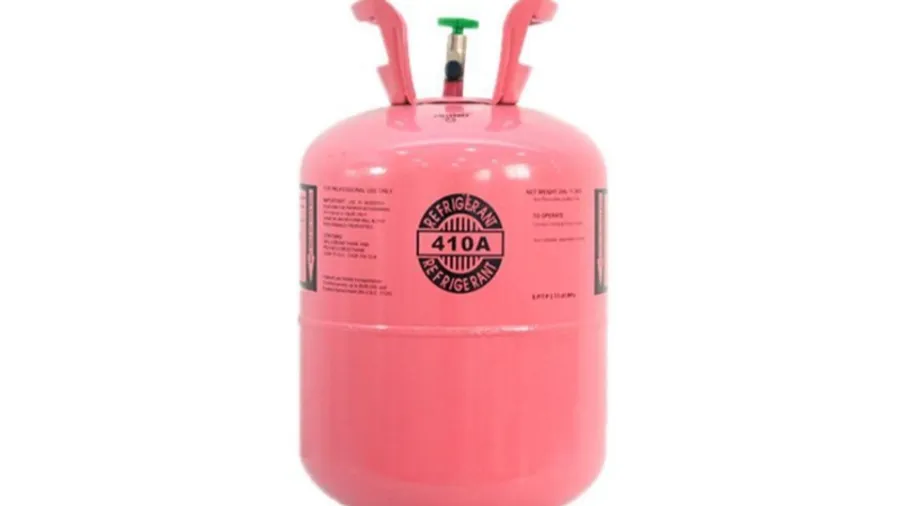
R410A se utiliza en varios sistemas de aire acondicionado para autobuses de nueva energía, especialmente cuando se requiere mayor rendimiento de refrigeración y calefacción. Tiene ODP = 0 y ofrece rendimiento estable de refrigeración y bomba de calor.
Puede aplicarse en sistemas HVAC de autobuses eléctricos con arquitecturas de alimentación de alto voltaje, incluidos sistemas DC 420 a 720 V. En comparación con R134a, R410A opera a mayor presión, por lo que la instalación, el servicio y la manipulación del refrigerante requieren técnicos capacitados y equipos adecuados.
La seguridad del refrigerante y los procedimientos de servicio son importantes para todos los sistemas HVAC de autobuses. No deben mezclarse diferentes tipos de refrigerante, ya que esto puede causar fallos del compresor, obstrucciones en las tuberías o daños en el sistema. La recuperación, sustitución y carga del refrigerante deben ser realizadas por personal de mantenimiento cualificado utilizando las herramientas y procedimientos correctos.
Para los OEM de autobuses y operadores de flotas, la selección del refrigerante debe basarse en el tipo de vehículo, el sistema de propulsión, las regulaciones regionales, el clima de operación, la disponibilidad de servicio y el diseño del sistema HVAC. Los autobuses diésel, autobuses eléctricos, autobuses escolares, autocares y vehículos especiales pueden requerir diferentes configuraciones de aire acondicionado.
TCHAIN aplica diferentes refrigerantes en su cartera de aire acondicionado para autobuses, incluidos sistemas para autobuses diésel, sistemas para autobuses de nueva energía y sistemas HVAC integrados. La empresa indica que el tipo de refrigerante, la cantidad de carga y los parámetros del sistema pueden adaptarse según los requisitos del vehículo y las condiciones regionales, sujetos a la confirmación del proyecto.
A medida que las regulaciones ambientales continúan evolucionando, la selección del refrigerante seguirá siendo una parte importante del desarrollo HVAC para autobuses. Los refrigerantes con menor GWP, los procedimientos de servicio seguros y la compatibilidad con plataformas de autobuses eléctricos serán cada vez más relevantes para OEMs y operadores de flotas que planifican futuros proyectos de vehículos.