Loading...

 a
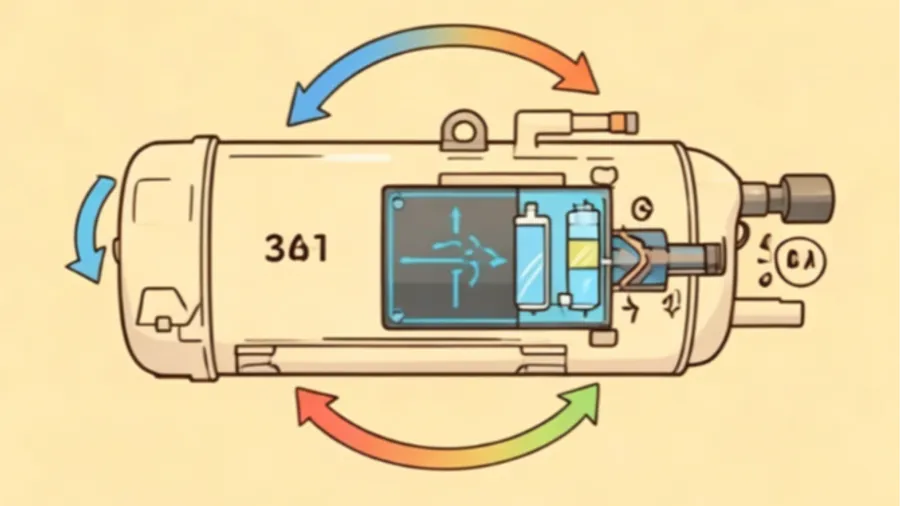
aEl compresor es un componente clave en un sistema de aire acondicionado para autobuses. Impulsa la circulación del refrigerante a través del circuito HVAC y contribuye al rendimiento de refrigeración, la estabilidad operativa y el consumo energético del sistema completo.
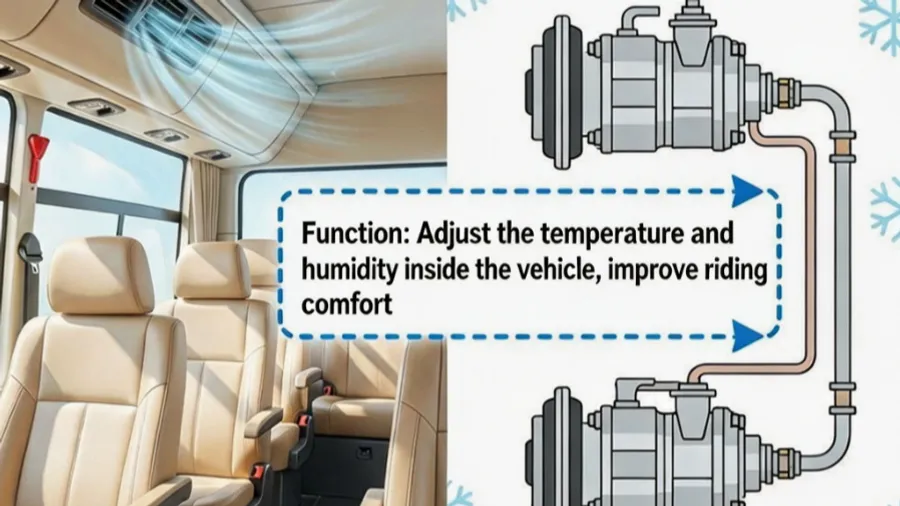
En autobuses urbanos, autocares interurbanos y autobuses eléctricos, el rendimiento del compresor está estrechamente relacionado con el confort de los pasajeros, la fiabilidad del sistema y el coste total de operación. Esto es especialmente importante en entornos de alta temperatura o durante operaciones diarias intensivas.
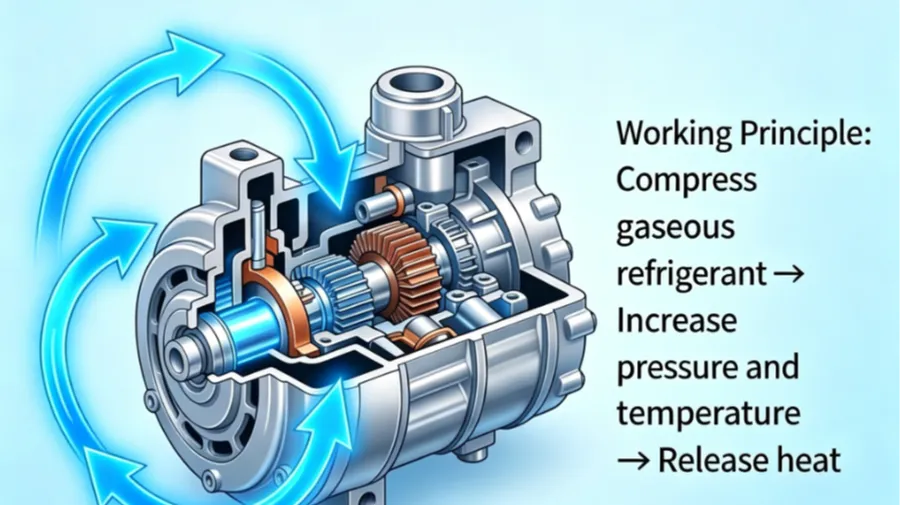
El compresor funciona dentro de un ciclo de refrigeración por compresión de vapor. Aspira refrigerante gaseoso de baja temperatura y baja presión desde el evaporador, donde el refrigerante ha absorbido calor del compartimento de pasajeros. Luego, el compresor aumenta la presión y la temperatura del gas refrigerante antes de enviarlo al condensador.
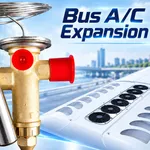
En el condensador, el refrigerante libera calor al aire exterior y cambia a estado líquido. Después pasa por la válvula de expansión, donde la presión disminuye antes de que el refrigerante regrese al evaporador para absorber calor nuevamente. El compresor repite este proceso de aspiración, compresión y descarga para mantener una refrigeración continua.
 a
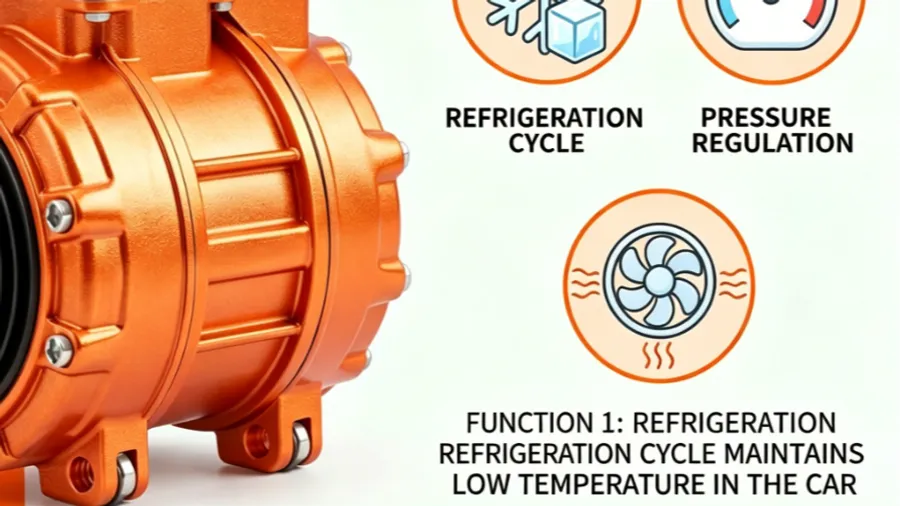
aLos compresores inverter pueden ajustar su velocidad de operación según la demanda de refrigeración en tiempo real. Esto permite que el sistema HVAC regule la capacidad de enfriamiento con mayor precisión y reduzca ciclos innecesarios de arranque y parada en comparación con compresores de frecuencia fija. Para autobuses eléctricos, esto puede ser relevante porque la carga del aire acondicionado puede afectar el consumo energético del vehículo y la autonomía.
TCHAIN utiliza tecnología de compresores inverter en determinados sistemas de aire acondicionado para autobuses, incluidas configuraciones de compresor inverter horizontal como el Hitachi G500DLV-80DTG. Estos compresores se utilizan para apoyar la operación de velocidad variable, la circulación estable del refrigerante y la integración compacta dentro de unidades HVAC para autobuses.
 a
aPara los operadores de flotas, la fiabilidad del compresor afecta tanto el confort de los pasajeros como la planificación del mantenimiento. Un compresor estable ayuda a mantener una temperatura constante en la cabina, mientras que una selección adecuada puede apoyar una menor presión de mantenimiento y un rendimiento HVAC más predecible.
Al seleccionar un compresor o una unidad completa de aire acondicionado para autobuses, los operadores y fabricantes de vehículos deben considerar la longitud del vehículo, la capacidad de refrigeración requerida, el espacio de instalación, el tipo de sistema de propulsión, la compatibilidad con el refrigerante, los requisitos del sistema de control y la disponibilidad de servicio local.
 a
aPara autobuses eléctricos, los compresores inverter DC se utilizan con frecuencia para apoyar la operación de velocidad variable y la gestión energética. Para autobuses diésel, la selección del compresor puede depender del diseño de la unidad HVAC, la configuración de accionamiento disponible y la estrategia de mantenimiento.
 a
aTambién deben considerarse el servicio y la compatibilidad. La sustitución del compresor o la modificación del sistema requiere una correcta correspondencia con el sistema de control HVAC, el módulo de accionamiento, el tipo de refrigerante y la arquitectura eléctrica. El mantenimiento debe ser realizado por técnicos cualificados utilizando herramientas y procedimientos adecuados.
Los compresores de aire acondicionado para autobuses son centrales para el rendimiento HVAC. Una correcta selección, instalación y mantenimiento del compresor puede apoyar una refrigeración fiable de la cabina, una mayor durabilidad del sistema y una operación más estable en diferentes condiciones climáticas y ciclos de trabajo.