Loading...

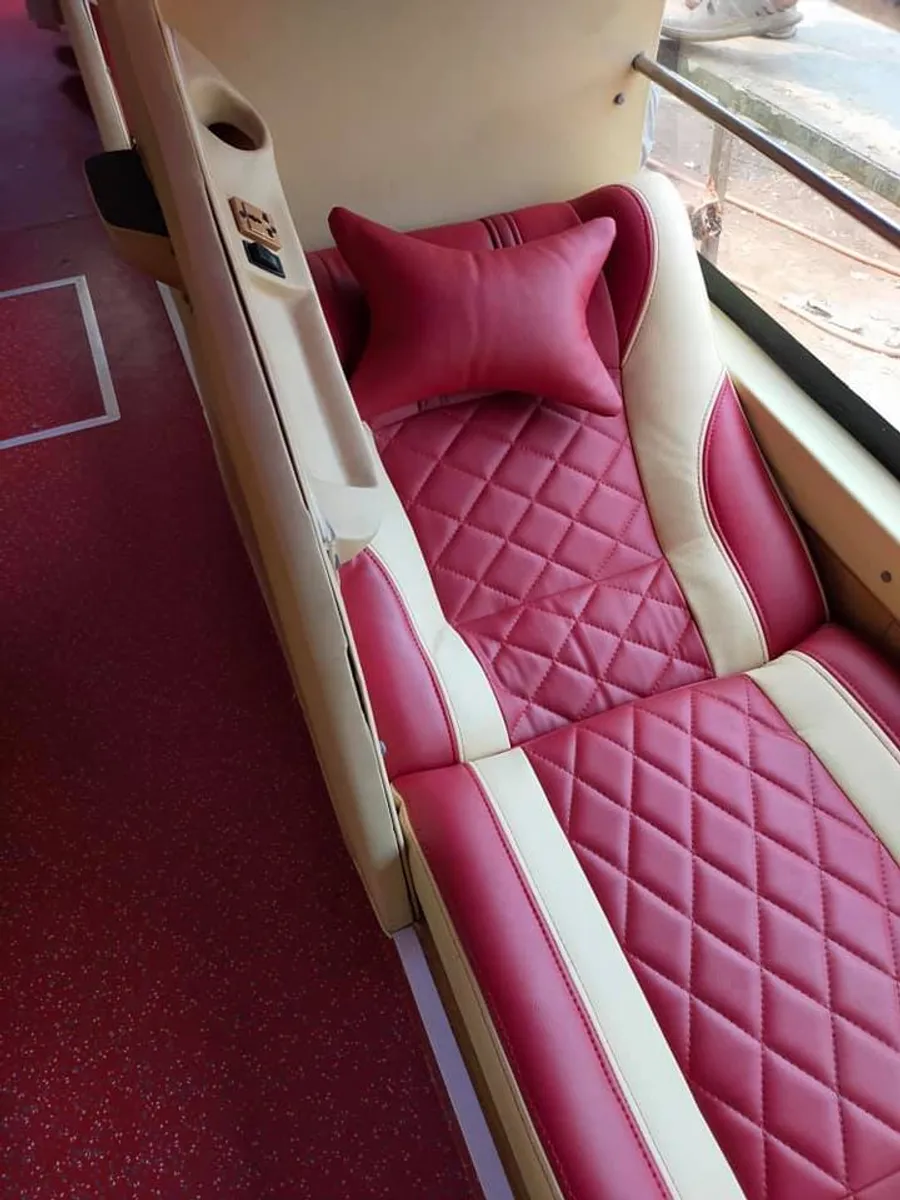
Sleeper and overnight coaches require climate systems that can maintain passenger comfort over extended periods while vehicles operate across changing temperatures, humidity levels and route conditions.
Unlike shorter urban journeys, overnight services may require HVAC systems to operate continuously for many hours. This places greater emphasis on temperature stability, airflow distribution, noise control and energy efficiency.
For sleeper coaches, HVAC performance also affects passengers differently because occupants remain in fixed or reclining positions for long periods. Uneven airflow, excessive noise or rapid temperature fluctuations can therefore have a greater impact on comfort than during shorter trips.
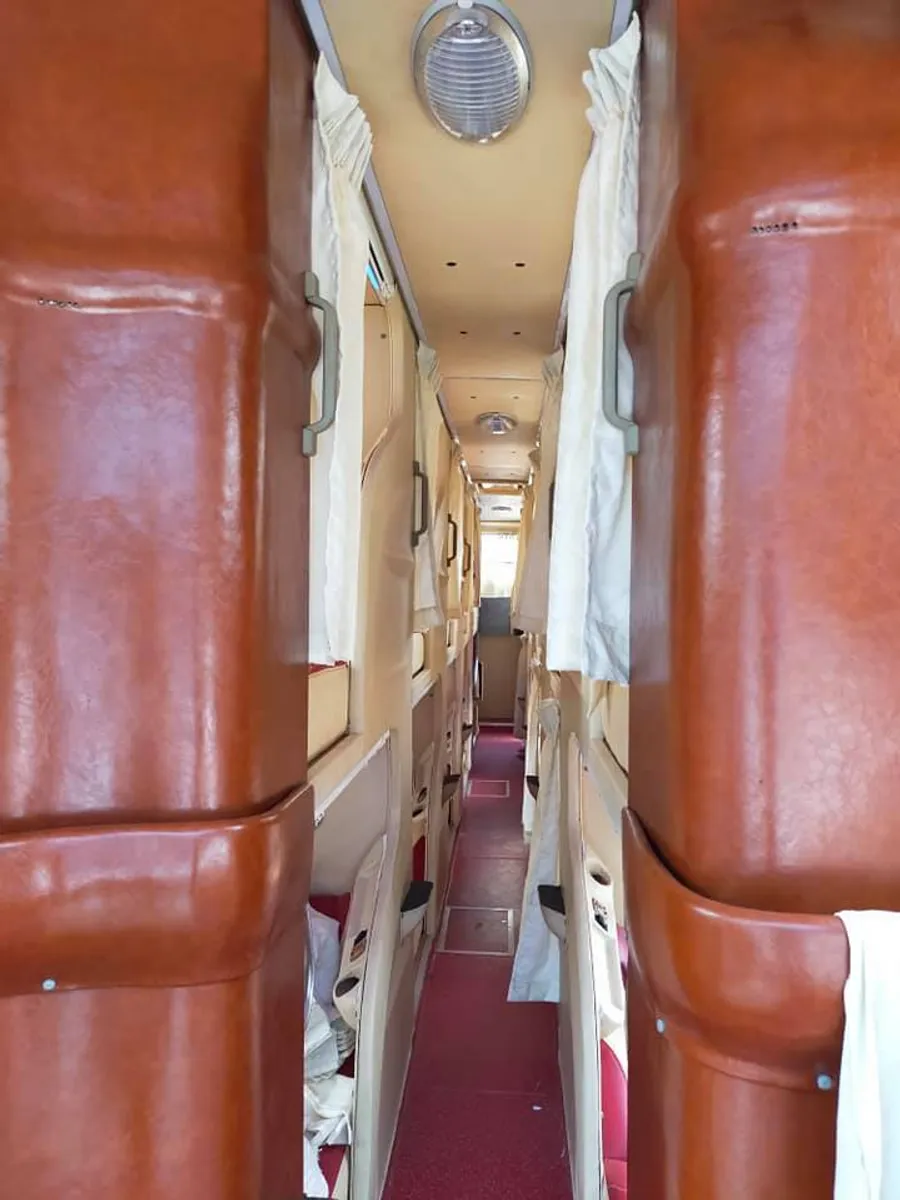
Sleeper and long distance coaches operate across very different climate zones, which influences HVAC system design.
In tropical regions, high temperatures and humidity increase cooling demand, particularly when passenger cabins remain occupied throughout the night.
In mountainous regions, vehicles may experience significant temperature changes over a single route, requiring systems that can support both cooling and heating depending on altitude and time of day.
In very hot climates, sustained high ambient temperatures place additional load on compressors, condensers and air distribution systems, making thermal capacity and component durability particularly important.
TCHAIN offers different HVAC configurations for these operating conditions, including cooling only systems, cooling combined with PTC heating and heat pump based systems.
Vehicle dimensions and passenger capacity have a direct influence on HVAC requirements.
Smaller sleeper minibuses require compact systems that provide sufficient cooling while preserving interior space.
Larger long distance coaches require higher cooling capacity and more extensive air distribution to maintain consistent temperatures throughout the cabin.
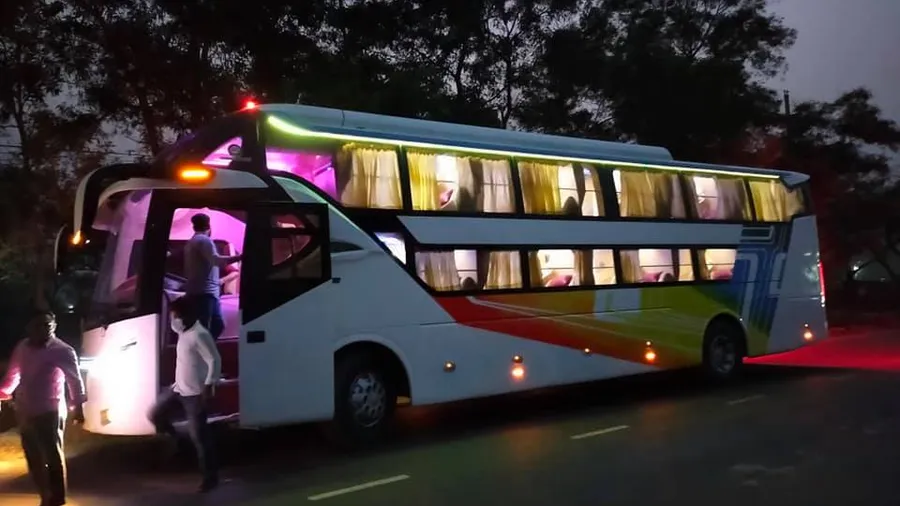
Double decker sleeper buses create additional challenges because conditioned air must be distributed across two passenger levels.
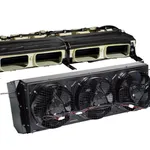
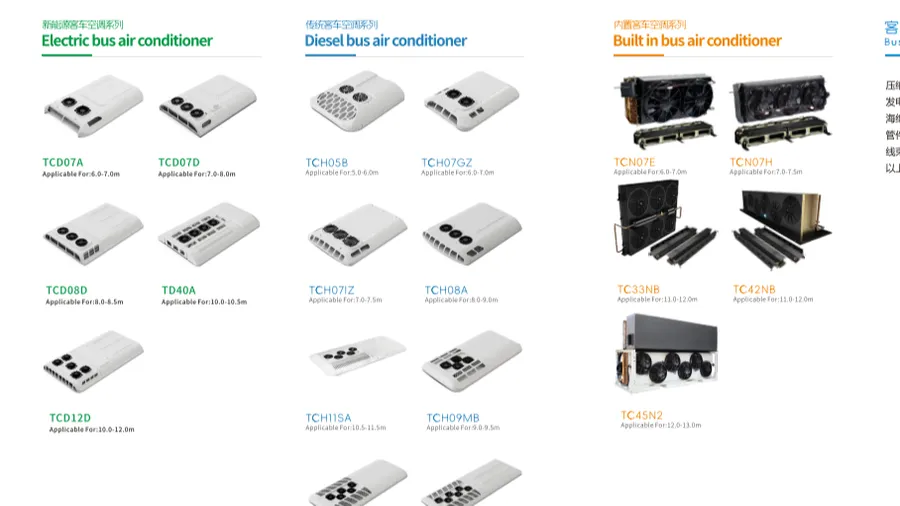
TCHAIN provides roof mounted and built in HVAC configurations for vehicles ranging from approximately 6 to 14 metres, with cooling capacities adapted to different bus sizes and applications.
Full Product Range for Every Sleeper Bus Type
Electric coaches introduce additional considerations because HVAC systems draw energy directly from the vehicle battery.
Climate control efficiency therefore has a direct relationship with vehicle energy consumption and operating range.
TCHAIN offers electric bus air conditioning systems designed for high voltage vehicle architectures, including systems supporting a DC voltage range of 420 to 720 V.
For long distance electric coach applications, HVAC design must balance passenger comfort with energy efficiency, particularly during overnight operation when systems may run continuously for extended periods.
Noise is particularly relevant in sleeper coaches because HVAC components operate while passengers are resting.
Compressor operation, fan speed and air movement can all influence perceived cabin comfort.
Air distribution also requires careful design. Strong localized airflow can create discomfort for passengers positioned close to vents, while insufficient circulation can lead to temperature differences across the cabin.
For this reason, sleeper coach HVAC systems benefit from controlled airflow and stable temperature regulation rather than simply maximizing cooling output.
HVAC architecture must also reflect available installation space, vehicle height, powertrain configuration and passenger layout.
Roof mounted systems remain common for larger coaches because they keep major HVAC components outside the passenger cabin.
Built in systems can be useful for smaller vehicles where roof dimensions, vehicle height or body design create different packaging constraints.
For manufacturers and operators, selecting an HVAC system therefore involves balancing cooling capacity, electrical architecture, installation space, vehicle configuration and expected operating climate.
As sleeper and overnight coach services continue to develop across different markets, HVAC engineering remains an important factor in maintaining passenger comfort during long duration operations.