Loading...

Malaysia's high temperatures, humidity and seasonal heavy rainfall create demanding operating conditions for bus air-conditioning systems.
For public transport operators, coach companies and vehicle manufacturers, selecting the appropriate HVAC technology involves more than comparing cooling capacity. Energy consumption, humidity management, vehicle architecture and maintenance requirements all influence performance.
Two main configurations are used in bus applications: engine-driven air conditioning and electrically driven systems.
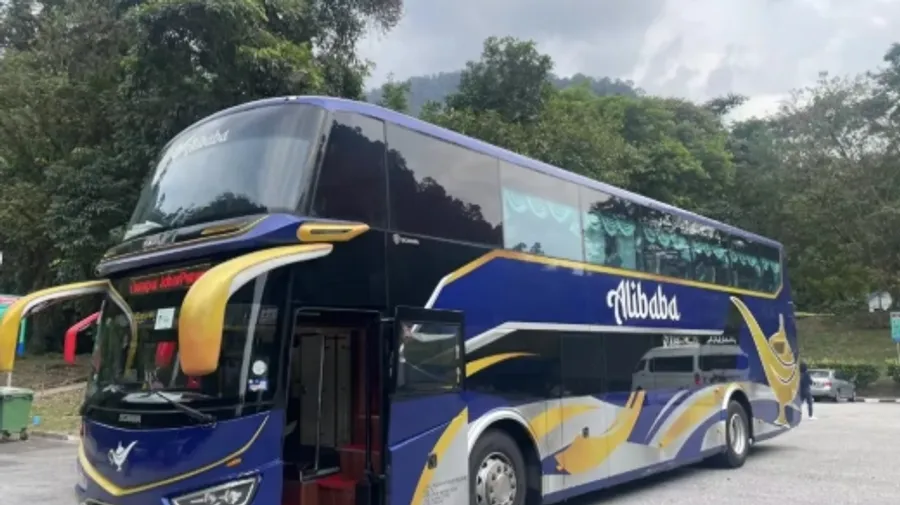
Malaysia experiences relatively consistent temperatures, high humidity and significant rainfall throughout the year.
According to the Malaysian Meteorological Department, the northeast monsoon typically occurs between November and March, bringing particularly heavy rainfall to the east coast of Peninsular Malaysia and parts of East Malaysia.
For bus HVAC systems, these conditions create several operational challenges:
High cooling demand: Solar exposure, passenger occupancy and frequent door openings increase the thermal load on the system.
Humidity control: Air-conditioning systems must remove moisture as well as heat to maintain passenger comfort.
Extended operating periods: Urban buses and intercity coaches may require cooling throughout long service shifts.
Corrosion exposure: Humidity, coastal salt and road contaminants can affect external components and electrical connections.
Water management: Heavy rainfall increases the importance of suitable sealing, drainage and electrical protection.
These factors make system design, installation quality and preventive maintenance particularly important for tropical operations.
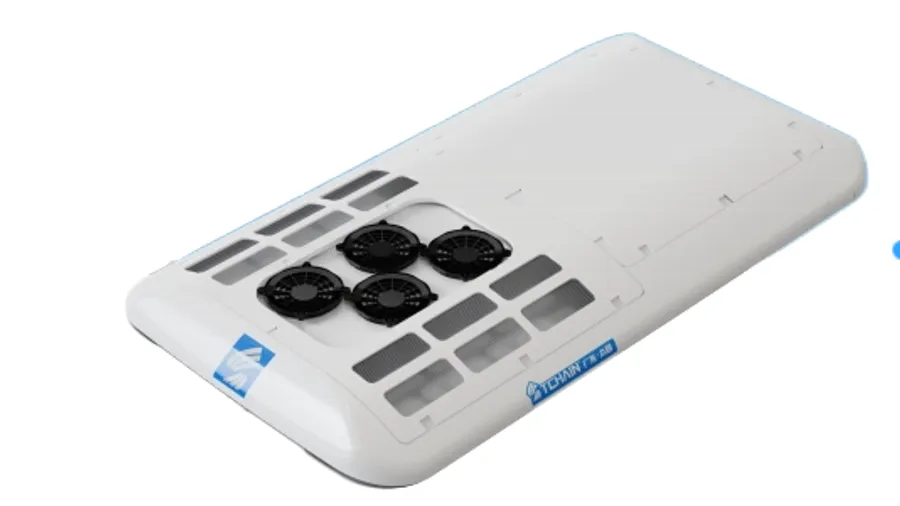
Engine-driven systems typically use a compressor mechanically connected to the vehicle's combustion engine through a belt-drive arrangement.
Compressor operation is therefore linked to engine operation and, depending on the design, engine speed.
Advantages
Established technology with widely available maintenance expertise.
Suitable for many existing diesel buses and coaches.
Can offer a practical solution for retrofitting vehicles with compatible mechanical installations.
Does not require a high-voltage traction battery system.
Limitations
Cooling performance may decrease at low engine speeds, depending on compressor and control design.
Compressor operation adds a mechanical load to the engine, contributing to fuel consumption.
The system generally cannot operate independently when the engine is switched off unless additional equipment is installed.
For conventional diesel fleets, engine-driven HVAC remains an established option, particularly when maintenance infrastructure and vehicle compatibility are priorities.
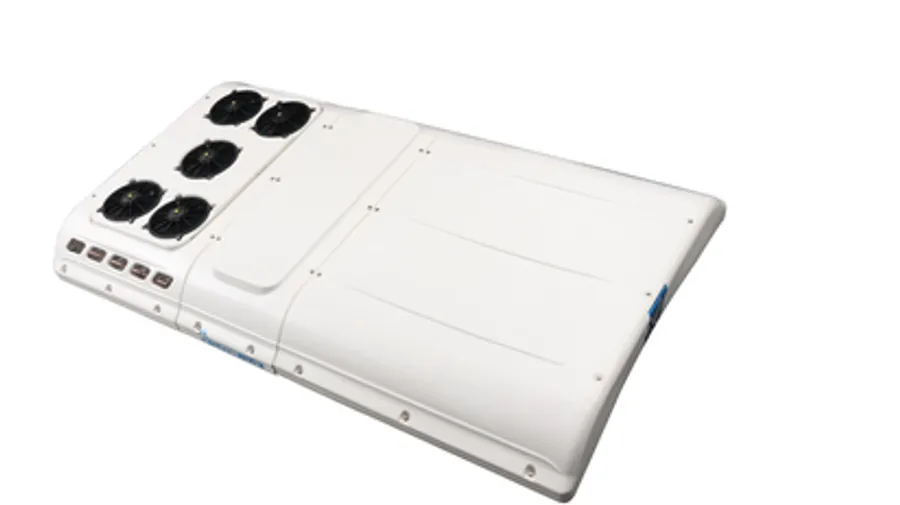
Electric HVAC systems use an electrically driven compressor, often controlled by an inverter to regulate compressor speed according to cooling demand.
Depending on the vehicle configuration, power may come from a traction battery, hybrid electrical system or dedicated auxiliary supply.
Advantages
Compressor operation can be controlled independently of engine speed.
Variable-speed operation can help manage energy consumption under changing cooling loads.
Suitable for battery-electric and hybrid vehicle architectures.
Can support cooling operation while the vehicle is stationary, provided sufficient electrical power is available.
Limitations
Requires compatible electrical infrastructure and power management.
High-voltage systems need appropriate maintenance procedures and trained technicians.
HVAC consumption affects the available energy and operating range of battery-electric vehicles.
Installation and integration costs depend on the existing vehicle architecture.
Electric HVAC is particularly relevant for battery-electric buses, although it can also be used in selected combustion-engine and hybrid applications.
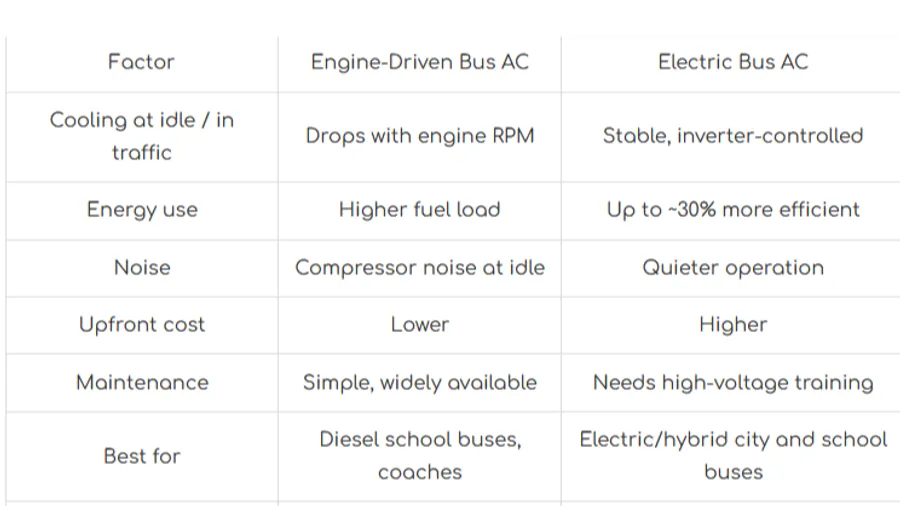
Neither configuration is inherently superior in every application. Performance depends on system design, vehicle integration and operating conditions.
Nominal cooling capacity alone does not establish how an HVAC system will perform in Malaysia.
Manufacturers and vehicle builders should evaluate cooling output under representative ambient temperatures, humidity levels and passenger loads.
For urban buses, frequent door openings and extended stationary operation should also be considered.
High-ambient operating capability should be confirmed through manufacturer specifications and performance data rather than assumed from a system's nominal rating.
High humidity increases the moisture removal requirements of the HVAC system.
Evaporator drainage, air filtration and appropriate fresh-air management are important for limiting moisture accumulation inside the vehicle.
Regular cleaning and inspection can also help prevent blocked drains, unpleasant odors and reduced airflow.
External HVAC components must withstand prolonged exposure to humidity, rainfall and environmental contaminants.
Relevant design considerations include:
Corrosion-resistant housing materials and protective coatings.
Suitable sealing of electrical enclosures and connectors.
Effective drainage arrangements.
Protection of exposed heat exchangers and electrical components.
Fiberglass-reinforced plastic, stainless steel and appropriately protected aluminum constructions can all be considered depending on the application.
Roof-mounted systems must be compatible with the vehicle's structural design, weight limits and available installation space.
For battery-electric buses, roof space may also be occupied by battery packs and other electrical equipment.
System dimensions, mass distribution, accessibility and mounting requirements should therefore be evaluated during vehicle design.
Air-conditioning systems represent a significant auxiliary energy demand for buses operating in hot climates.
For diesel vehicles, this demand contributes to fuel consumption. For electric buses, HVAC power consumption affects energy availability and potentially vehicle range.
Variable-speed compressors, efficient fans, appropriate system sizing and intelligent controls can help reduce unnecessary energy consumption.
However, efficiency comparisons should be based on equivalent operating conditions and validated performance data.
The choice depends primarily on the vehicle platform and operating requirements.
Conventional diesel buses and coaches: Engine-driven HVAC can remain a practical option where existing mechanical systems, installation compatibility and maintenance availability are priorities.
Battery-electric city buses: Electrically driven HVAC is generally the appropriate configuration, with energy consumption and battery-range implications included in system design.
Hybrid buses: HVAC architecture should be evaluated alongside the hybrid powertrain, available electrical capacity and operating strategy.
Tourist and long-distance coaches: Passenger comfort, acoustic performance, cooling capacity and maintenance accessibility are important considerations, regardless of compressor drive technology.
Coastal and high-humidity operations: Corrosion protection, sealing, condensate drainage and preventive maintenance should receive particular attention across both configurations.
Malaysia's tropical climate places demanding requirements on bus air-conditioning systems, but selecting between engine-driven and electric HVAC involves more than climate conditions alone.
Engine-driven systems remain relevant for conventional diesel fleets, while electric configurations provide independent compressor control and are suited to electrified vehicle platforms.
For operators and manufacturers, the most important considerations are adequate cooling capacity, humidity control, energy performance, environmental protection and compatibility with the vehicle's architecture.
Evaluating these factors together can support reliable HVAC operation and more informed equipment selection.