Yükleniyor...

Otobüs üreticileri, karoser üreticileri ve filo operatörleri açısından yanlış bileşen seçimi; erken arızalara, montaj sorunlarına, yolcu şikâyetlerine ve daha yüksek bakım maliyetlerine yol açabilir.
Otobüs bileşenleri, binek araçlarda karşılaşılan koşullardan çok daha zorlu şartlar altında çalışır.
Bileşenler gün boyunca sürekli titreşime, sıcaklık değişimlerine, toza, neme ve yoğun kullanıma maruz kalabilir. Bu nedenle elektrikli ve mekanik bileşenler, beklenen görev döngüsüne ve montaj ortamına göre seçilmelidir.
Tezgâh testleri, doğru malzeme seçimi ve gerçek çalışma koşullarına uygun doğrulama süreçleri, montaj sonrasında oluşabilecek erken arızaların azaltılmasına yardımcı olabilir.
Bileşenlerin aracın boyutlarına ve yapısına uygun olması gerekir.
Örneğin yolcu tutamakları, monte edildikleri destek borusunun çapına tam olarak uymalıdır. Yanlış ölçülendirme, tutamağın hareket etmesine, gürültüye veya ayakta seyahat eden yolcular için daha düşük dengeye neden olabilir.
Aynı ilke braketler, muhafazalar, anahtarlar ve diğer monte edilen ekipmanlar için de geçerlidir. Açık ve doğru ölçü bilgileri, karoser üreticilerinin montaj sırasında değişiklik yapmak zorunda kalmasını önlemeye yardımcı olur.
Standartlaştırılmış bağlantılar, montaj noktaları ve kurulum prosedürleri üretim süresini azaltabilir ve gelecekteki bakımı kolaylaştırabilir.
Bir bileşeni değerlendirirken üreticiler ve operatörler şu unsurları dikkate almalıdır:
Erişilmesi veya değiştirilmesi zor bileşenler, satın alma fiyatları düşük olsa bile atölyede geçirilen süreyi artırabilir.
Acil durum çekiçleri, belirlenmiş acil çıkış camlarından tahliyeyi desteklemek amacıyla yaygın olarak kullanılır.
Ekipman seçimi yapılırken sağlam montaj, görünürlük, erişilebilirlik ve araçta kullanılan cam tipini kırabilme özelliği dikkate alınmalıdır. Gerekli adet ve yerleşim, yürürlükteki araç mevzuatına ve operatör gereksinimlerine uygun olmalıdır.
Montaj sistemi normal çalışma sırasında çekici güvenli şekilde tutmalı, ancak acil durumda yolcuların ekipmanı hızlıca çıkarabilmesine de olanak tanımalıdır.
Durak talep düğmeleri ve sesli uyarı cihazları, şehir içi otobüslerde en sık kullanılan bileşenler arasındadır.
Bu ekipmanların gürültülü bir ortamda net geri bildirim sağlaması ve aracın kullanım ömrü boyunca tekrarlanan kullanıma dayanması gerekir.
Dikkate alınması gereken başlıca unsurlar şunlardır:
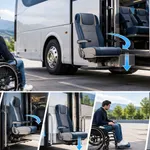
Erişilebilir otobüs iç tasarımlarında durak talep sistemlerinin konumu ve kullanımı, hareket kabiliyeti kısıtlı yolcuların ihtiyaçlarını da desteklemelidir.
Tutamaklar ve diğer yolcu destek bileşenleri, araç içi güvenliğe doğrudan katkıda bulunur.
Bu ekipmanlar monte edilen raylarla uyumlu olmalı ve farklı boylardaki yolcuların kullanabileceği şekilde konumlandırılmalıdır. Malzemelerin aşınmaya, sık temizliğe ve yoğun kullanıma dayanması gerekir.
Ani frenleme ve diğer araç manevraları sırasında hareket etmelerini veya yerlerinden çıkmalarını önlemek için sağlam bağlantı büyük önem taşır.
Uzaktan kumandalar ve araç üzerindeki anahtarlar, belirli araç sistemlerinin kullanımını kolaylaştırabilir.
Bu bileşenlerin güvenilir tepki, düşük enerji tüketimi ve aracın elektrik sistemiyle uyumluluk sunması gerekir. Konumları, sürücünün gereksiz dikkat dağınıklığı yaşamadan kullanabilmesine olanak tanımalıdır.
Kontroller güvenlikle ilgili işlevleri yönetiyorsa, durumları ve çalışma şekilleri sürücü tarafından açıkça görülebilmelidir.
Tedarikçi değerlendirmesi yalnızca ürün bulunabilirliğine dayanmamalıdır.
İlgili kriterler şunlardır:
Üreticiler ve büyük filolar açısından tedarik sürekliliği de önemlidir. Birden fazla araç serisinde kullanılan bir bileşenin, üretim ve bakım dönemleri boyunca temin edilebilir olması gerekir.
Otobüs ekipmanları, toplam operasyonel etkileri dikkate alınarak değerlendirilmelidir.
Satın alma aşamasında ucuz olan bir bileşen sık arızalanırsa, montajı uzun sürerse veya değiştirilmesi zorsa daha yüksek maliyetlere yol açabilir. Buna karşılık standartlaştırılmış ve güçlü destek sunulan ekipmanlar montaj süresini, bakım karmaşıklığını ve araçların hizmet dışı kalma süresini azaltabilir.
Dikkatli yapılan ekipman seçimi, üreticilerin ve operatörlerin yolcu güvenliğini artırmasına, araç kalitesini istikrarlı şekilde korumasına ve otobüsün tüm yaşam döngüsü boyunca önlenebilir maliyetleri azaltmasına yardımcı olur.