Yükleniyor...

Elektrikli araç platformları daha yüksek şarj gücüne, daha yüksek enerji yoğunluğuna ve daha kompakt yerleşimlere yöneldikçe batarya termal yönetim sistemleri araç performansı ve dayanıklılığı açısından daha kritik bir rol üstleniyor.
Batarya soğutucuları, batarya soğutma devresindeki fazla ısıyı uzaklaştırarak ve şarj ile çalışma sırasında hücre sıcaklıklarının daha kararlı kalmasına yardımcı olarak bu termal yönetim mimarisinin bir parçasını oluşturuyor.
Elektrikli otobüsler ve diğer ticari araçlarda bu konu özellikle önem taşıyor, çünkü batarya sistemleri çoğu zaman uzun çalışma sürelerine, tekrarlanan şarj döngülerine ve yüksek termal yüklere maruz kalıyor.
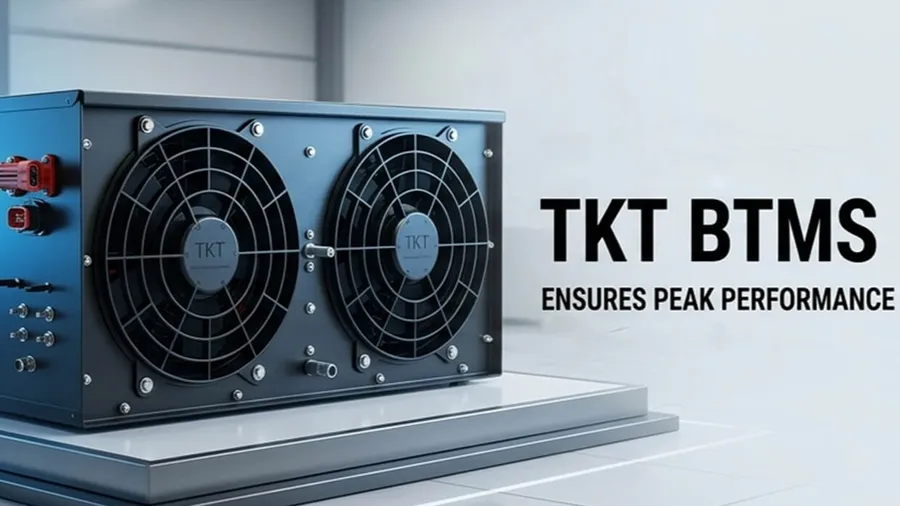
Tipik bir dolaylı sıvı soğutma sisteminde soğutma sıvısı, batarya paketine entegre edilmiş soğuk plakalar veya kanallar üzerinden dolaşır.
Batarya sıcaklığı arttığında termal yönetim sistemi, soğutma sıvısındaki ısıyı chiller üzerinden soğutucu akışkan devresine aktarır. Soğutulan sıvı daha sonra batarya paketine geri döner ve sistem içinde dolaşmaya devam eder.
Soğutma kapasitesi, batarya sıcaklığına, şarj koşullarına, araç yüküne ve ortam sıcaklığına göre ayarlanabilir.
Bu sayede termal yönetim sistemi değişen çalışma koşullarına dinamik olarak yanıt verebilir ve daha tutarlı batarya performansını destekleyebilir.
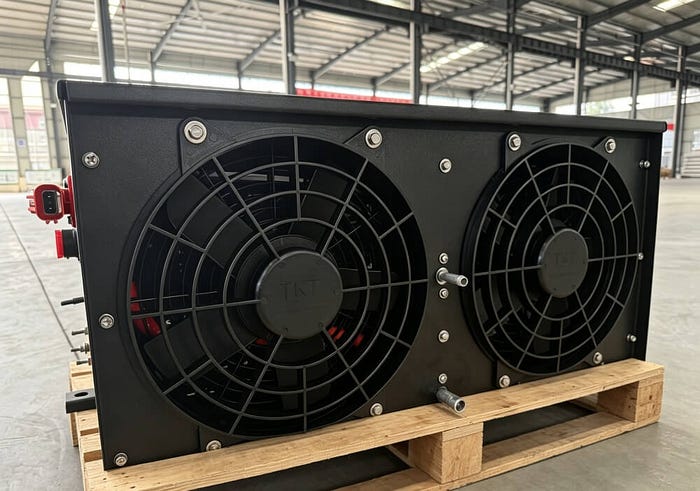 📷
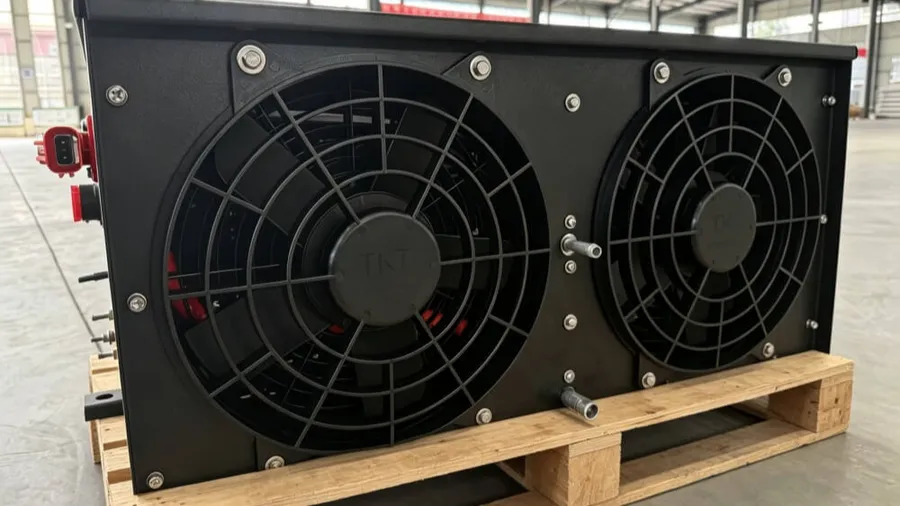
📷Batarya termal yönetim bileşenlerinin çoğu zaman sınırlı kullanılabilir alana sahip araç platformlarına entegre edilmesi gerekir.
Standartlaştırılmış chiller modülleri her aracın yerleşim, çarpışma güvenliği veya elektrik mimarisi gereksinimlerine her zaman uygun olmayabilir.
TKT, kompresörler ve soğutma sıvısı pompaları gibi bileşenleri ana termal yönetim ünitesinden ayıran özelleştirilmiş batarya chiller konfigürasyonları geliştirdi.
Bu tür modüler bir yaklaşım, mühendislerin tek bir entegre muhafazayla sınırlı kalmak yerine bileşenleri araç platformunun gereksinimlerine göre konumlandırmasına olanak sağlayabilir.
Bir örnek, yüksek voltajlı kompresörün olası yan darbelere maruz kalan bölgelerden uzağa taşınmasını içeriyor.
TKT’ye göre bu konfigürasyon, kompresörün korumalı bir alt gövde konumuna taşındığı Avrupa merkezli bir elektrikli araç projesi için geliştirildi.
Kompresörün ana chiller ünitesinden ayrılması, araç mühendislerine termal yönetim gereksinimleri ile çarpışma koruması ve yüksek voltajlı bileşenlerin konumlandırılması arasında denge kurarken daha fazla esneklik sağlayabilir.
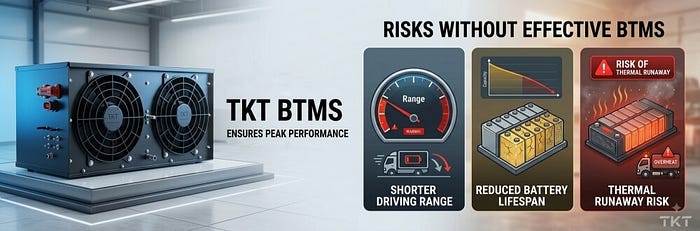 📷
📷Başka bir yaklaşım, soğutma sıvısı pompasını ana chiller modülünden ayırıyor.
Bu, termal yönetim ünitesinin fiziksel boyutunu azaltabilir ve batarya paketleri ile soğutma bileşenlerinin araç içinde yerleştirilmesinde daha fazla esneklik sağlayabilir.
Pompanın konumu hidrolik performansı da etkileyebilir.
Pompanın soğutma devresinde daha alçak bir noktaya yerleştirilmesi, girişte pozitif basıncın korunmasına ve pompa verimliliği ile bileşen dayanıklılığını etkileyebilen kavitasyon riskinin azaltılmasına yardımcı olabilir.
Batarya termal yönetim sistemleri, hücre kimyası, batarya mimarisi ve şarj performansındaki değişimlerle birlikte gelişiyor.
Daha yüksek şarj gücü ve artan enerji yoğunluğu termal yükleri artırabilir ve soğutma kapasitesi ile sıcaklık homojenliği açısından daha yüksek gereksinimler oluşturabilir.
Aynı zamanda araç üreticileri batarya soğutması, kabin termal yönetimi, ısıtma ve ısı geri kazanımını giderek daha fazla entegre termal mimariler içinde bir araya getiriyor.
Bu sistemler ayrı bileşenlerin sayısını azaltırken araç genelindeki enerji yönetimini iyileştirebilir.
Elektrikli otobüsler, yüksek batarya kapasiteleri, uzun çalışma süreleri ve tekrarlanan şarj döngüleri nedeniyle zorlu termal yönetim koşullarına sahiptir.
Etkili batarya soğutması bu nedenle şarj tutarlılığını, batarya dayanıklılığını ve aracın genel kullanılabilirliğini etkileyebilir.
Daha modüler ve yapılandırılabilir chiller mimarilerinin geliştirilmesi, otobüs üreticilerine termal yönetim sistemlerini farklı şasi, batarya yerleşimi ve güç aktarma sistemi konfigürasyonlarına entegre ederken ek esneklik sağlar.
Elektrikli otobüs platformları gelişmeye devam ettikçe batarya chiller tasarımının daha geniş araç termal yönetimi stratejisinin önemli bir parçası olmaya devam etmesi bekleniyor.
Learn More: https://www.busthermo.com/battery-chiller-news-technology/